
Great product and service 👌
Love this honey the best! I have tried many other brands and this is the best! I highly recommend for everyone!


What is Manuka?
The benefits of Manuka Honey.... Monofloral, MGO, UMF™, Antibacterial activity...
Manuka honey's modern story began in the 1970s with Professor Peter Molan's discovery of its Non-Peroxide Activity (NPA). Unlike other honeys whose antibacterial activity relies on hydrogen peroxide, Manuka's comes from methylglyoxal (MGO), which forms as dihydroxyacetone (DHA) in Manuka flower nectar converts during storage. This gives Manuka its long-lasting, stable activity.
Leptosperin, another compound found in Manuka honey, is used as an authenticity marker. Together, MGO and NPA are why genuine Manuka honey is so highly prized and carefully graded.
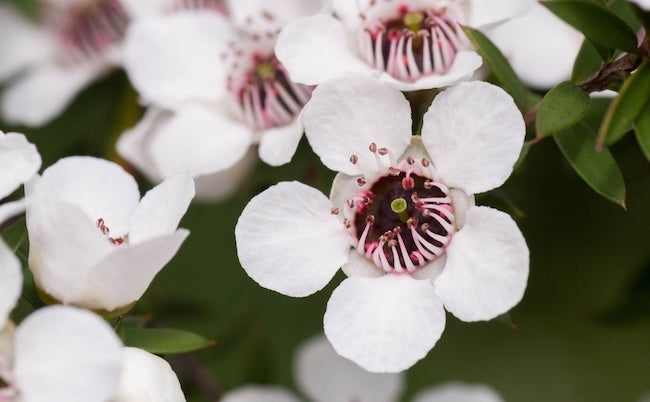
Manuka (Leptospermum scoparium) has been a source of Māori tradition for centuries, with its bark and leaves long valued. The arrival of European honey bees opened the door to Manuka honey production, but its special properties weren't recognised for a long time. In the early 20th Century Manuka was actually treated more like a weed than a productive native species, with many farmers clearing Manuka bush to make way for pastoral land.
In the 1970s and 80s, a group of NZ researchers led by Professor Peter Molan played a pivotal role in uncovering the unique characteristics of Manuka honey and its long-lasting antibacterial activity. Dr. Molan's work established that Manuka honey has an unusual, long-lasting antibacterial activity, attributed to its high levels of methylglyoxal (MGO). His laboratory research explored Manuka honey's activity against a range of bacteria, which put Manuka honey on the map and led to MGO becoming the marker we grade and certify today.

Fresh raw honey naturally inhibits bacterial growth due to hydrogen peroxide, produced by glucose oxidase enzymes that the bees add to nectar. However, this activity weakens considerably over time and with exposure to heat. What Peter's research showed is that Manuka honey has a different kind of antibacterial activity in it, which he called Non-Peroxide Activity (NPA).
It is this that sets Manuka honey apart from other types of honey, for 2 reasons
Professor Molan developed the NPA test, a specialised version of the standard test, where the peroxide is deactivated. This test measures the unique, non-peroxide activity of manuka honey.

Most honey, both in New Zealand and elsewhere, lacks NPA. This special property is characteristic of mānuka honey.
Professor Molan's research revealed the source of manuka honey's NPA. Here's the key:
While trace amounts of DHA can be found in other plants elsewhere, only Leptospermum species tend to produce high levels of MGO naturally in their honey.

Methylglyoxal is particularly significant because it is one of the key compounds responsible for Manuka honey's unique character. MGO is derived from dihydroxyacetone (DHA), which is naturally present in manuka flowers. During the conversion process, DHA in the honey gradually transforms into MGO over time.
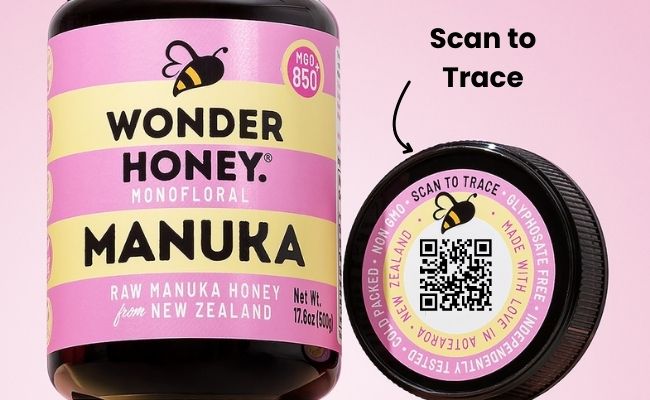
The concentration of MGO in manuka honey is used as a measure of its grade, with higher levels indicating a higher grade. It is the marker we test and certify in every batch.

Leptosperin is a compound found in certain species of leptospermum plants, commonly known as tea trees found in Australia and New Zealand. It was discovered by Professor Yoji Kato in 2014.
It is a type of phytochemical that contributes to the unique properties of these plants and is used as a marker of authenticity.
Its presence in the nectar of certain tea tree species also contributes to the unique profile found in monofloral manuka honey, which is derived from bees that feed on these plants.
The UMF™ association tests for this marker to help confirm Manuka authenticity.


Manuka Honey Benefits
New Zealand honey has long been associated with skin and wound care. It's worth knowing that the honey used clinically is sterile, medical-grade honey regulated as a medical product, which is different from food-grade honey. For any wound or burn, please see a healthcare professional.
Manuka honey is a natural wholefood many people enjoy as part of a balanced daily routine. It naturally contains prebiotic oligosaccharides that can act as a food source for the beneficial bacteria in the gut.
Manuka honey is a natural wholefood with antioxidant properties. Researchers continue to study how its natural compounds interact with the body.
The World Health Organization has noted honey as a soothing demulcent for a cough or sore throat. Please note: never give honey to infants under 12 months.
Manuka honey is a popular natural ingredient in skincare routines and homemade face masks. For skin conditions such as acne, eczema or dermatitis, please see a doctor or dermatologist.