Antibacterial & Antimicrobial Properties
One of the most talked-about attributes of Manuka honey is its natural antibacterial and antimicrobial activity, which has earned it a strong reputation as a premium natural honey.
These properties are attributed to several key natural components:
-
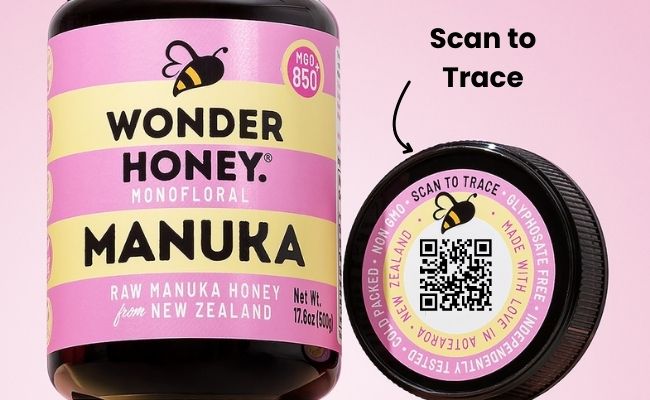
Methylglyoxal (MGO): MGO is found in unusually high concentrations in Manuka honey and is the compound behind its signature non-peroxide activity. It is the marker we grade and certify in every batch.
-
Hydrogen Peroxide: Like most honeys, Manuka naturally produces small amounts of hydrogen peroxide through the enzyme glucose oxidase, which converts glucose into gluconic acid and hydrogen peroxide.
-
Other Bioactive Compounds: Manuka honey contains phenolic compounds such as 4-hydroxyphenyllactic acid (4-HPLA) and 3-phenyllactic acid (3-PLA), which contribute to its unique profile and are used as authenticity markers.
How people enjoy Manuka honey
Manuka honey has been valued for generations as a natural wholefood. Today people enjoy it in many ways:
- As a daily wholefood — a delicious spoonful on its own, in tea, or drizzled over food.
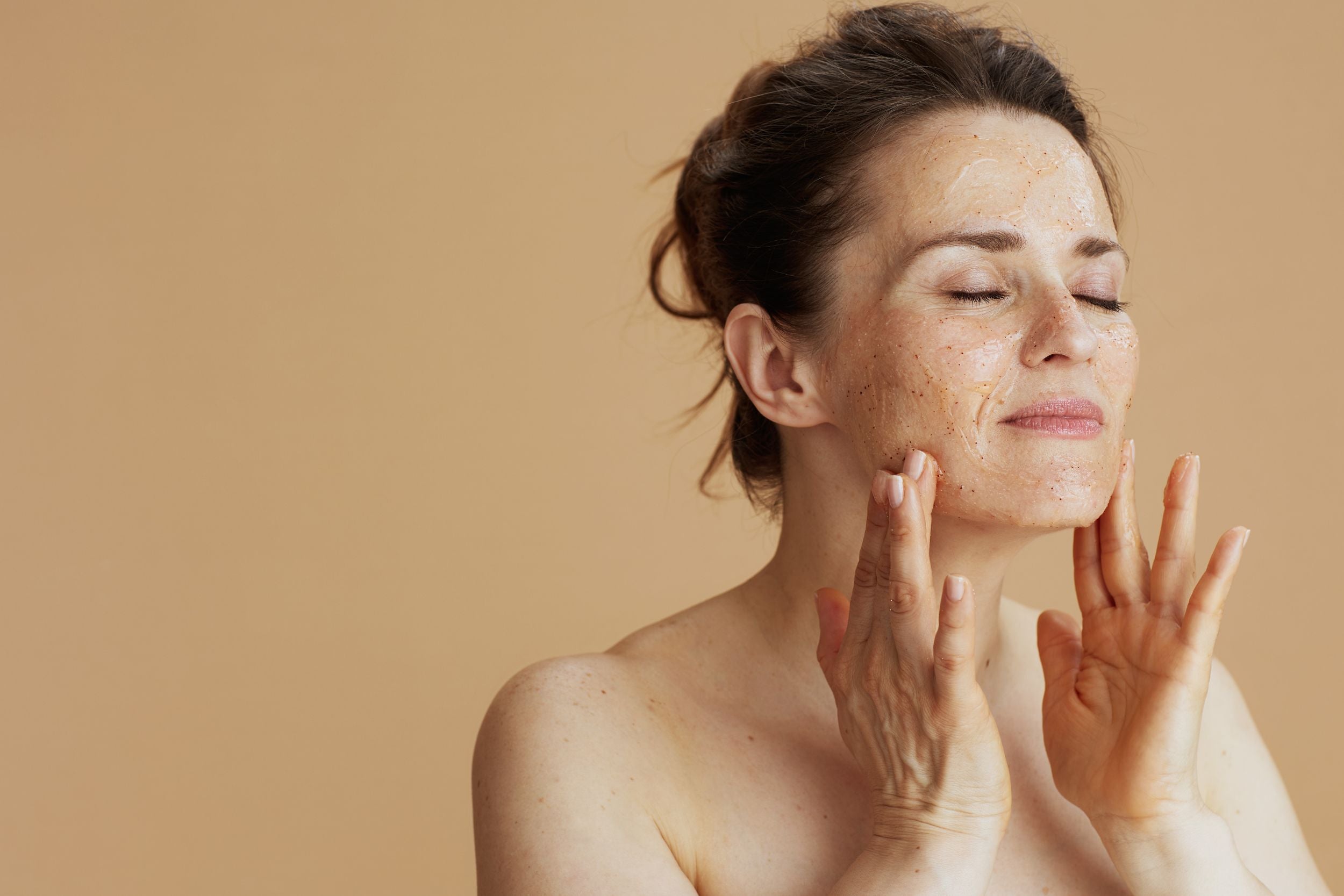
- In natural skincare routines, where Manuka honey is a popular ingredient in face masks and homemade skincare.
- As a comforting natural staple, especially through the winter months.
Research into Manuka honey and its natural compounds is ongoing. Manuka honey is a food, not a medicine, and we make no medical claims about it.
These statements have not been evaluated by regulators. This product is a food and is not intended to diagnose, treat, cure or prevent any disease.
References
- Adams, C. J., et al. (2008). "Isolation by HPLC and characterisation of the bioactive fraction of New Zealand manuka (Leptospermum scoparium) honey." Carbohydrate Research, 343(4), 651-659.
- Jull, A. B., et al. (2015). "Honey as a topical treatment for wounds." Cochrane Database of Systematic Reviews, 2015(3). Link to review
- Al-Waili, N. S., et al. (2011). "Honey and microbial infections: A review supporting the use of honey for microbial control." Journal of Medicinal Food, 14(10), 1079-1096. Link to review
<div class="dynamic-checkout__content" id="dynamic-checkout-cart" data-shopify="dynamic-checkout-cart"> <shopify-accelerated-checkout-cart wallet-configs="[{"supports_subs":true,"supports_def_opts":false,"name":"shop_pay","wallet_params":{"shopId":81423728939,"merchantName":"Wonder Honey","personalized":true}},{"supports_subs":false,"supports_def_opts":false,"name":"paypal","wallet_params":{"shopId":81423728939,"countryCode":"NZ","merchantName":"Wonder Honey","phoneRequired":true,"companyRequired":false,"shippingType":"shipping","shopifyPaymentsEnabled":true,"hasManagedSellingPlanState":null,"requiresBillingAgreement":false,"gatewayType":"CONNECTED","merchantId":"2GGQU7RZZH6TG","sdkUrl":"https://www.paypal.com/sdk/js?components=buttons\u0026commit=false\u0026currency=USD\u0026locale=en_US\u0026client-id=AexZEtAxk09Ncgj6FSWFFyGKbxxAZ_LTyJ2DPdJWl1YUlecinmc5AfIaRF2qYjWlusWahlzz6SVkY5Ci\u0026merchant-id=2GGQU7RZZH6TG\u0026intent=capture","serviceableCountryCodes":["AT","AU","BE","BG","CA","CK","CZ","DE","DK","EE","ES","FI","FJ","FR","GB","GI","GR","HK","HU","IE","IN","IS","IT","KR","LT","LU","LV","MC","MT","NL","NZ","PL","PT","RO","SE","SG","SI","SK","US"]}}]" access-token="132b5cac3bedfbcbd7438b6acfedfe5f" buyer-country="US" buyer-locale="en" buyer-currency="USD" shop-id="81423728939" cart-id="eef42dc25c5d0bc3796be64cddab7ad6" enabled-flags="["a1d1f9a1","f5afabb3","370070f3","b311f899"]" > <div class="wallet-button-wrapper"> <ul class='wallet-cart-grid wallet-cart-grid--skeleton' role="list" data-shopify-buttoncontainer="true"> <li data-testid='grid-cell' class='wallet-cart-button-container'><div class='wallet-cart-button wallet-cart-button__skeleton' role='button' disabled aria-hidden='true'> </div></li><li data-testid='grid-cell' class='wallet-cart-button-container'><div class='wallet-cart-button wallet-cart-button__skeleton' role='button' disabled aria-hidden='true'> </div></li> </ul> </div> </shopify-accelerated-checkout-cart> </div>